

Cosmetic microneedle eye patch OEM
Plan paired cosmetic eye patch formats, backings, protective trays and artwork. Connect the approved sample and pack revision to the next project review.
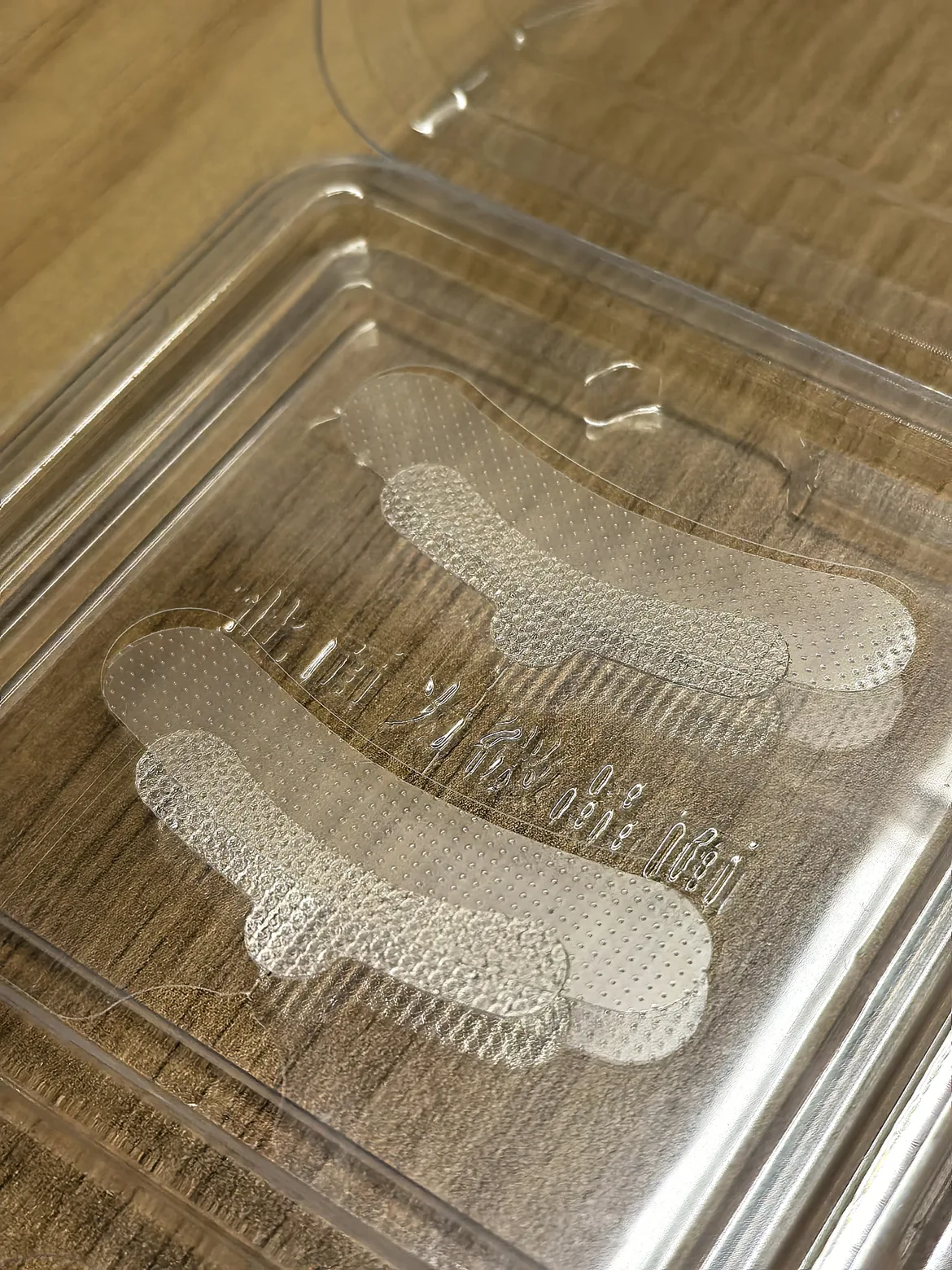
Eye patch sizes and custom ingredients
Choose a small or large crescent format. Bring your preferred cosmetic ingredients to the sample brief.
Eye patch shapes and presentation
Find a guide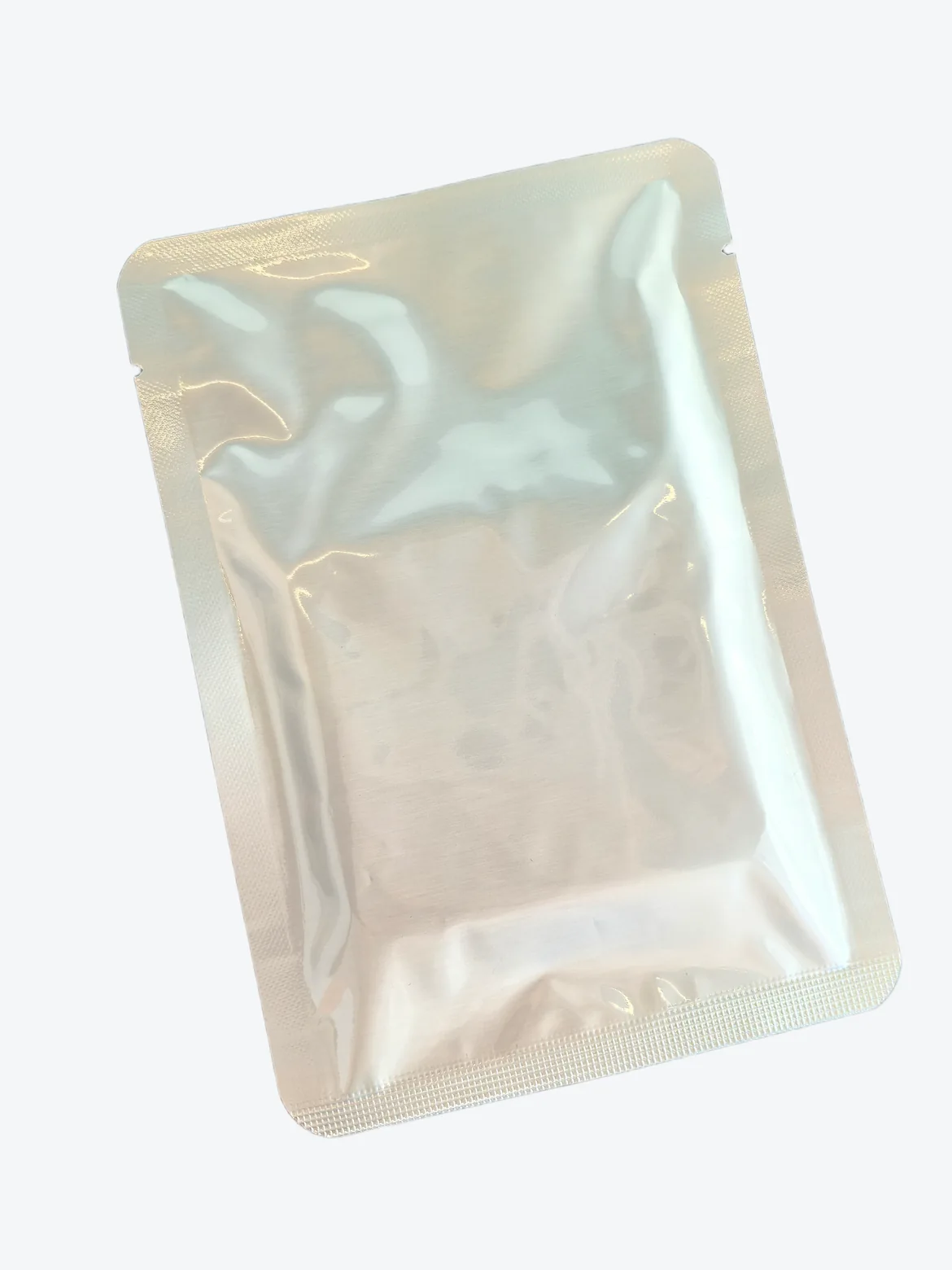
Paired Eye Patch Pouches and Protective Trays
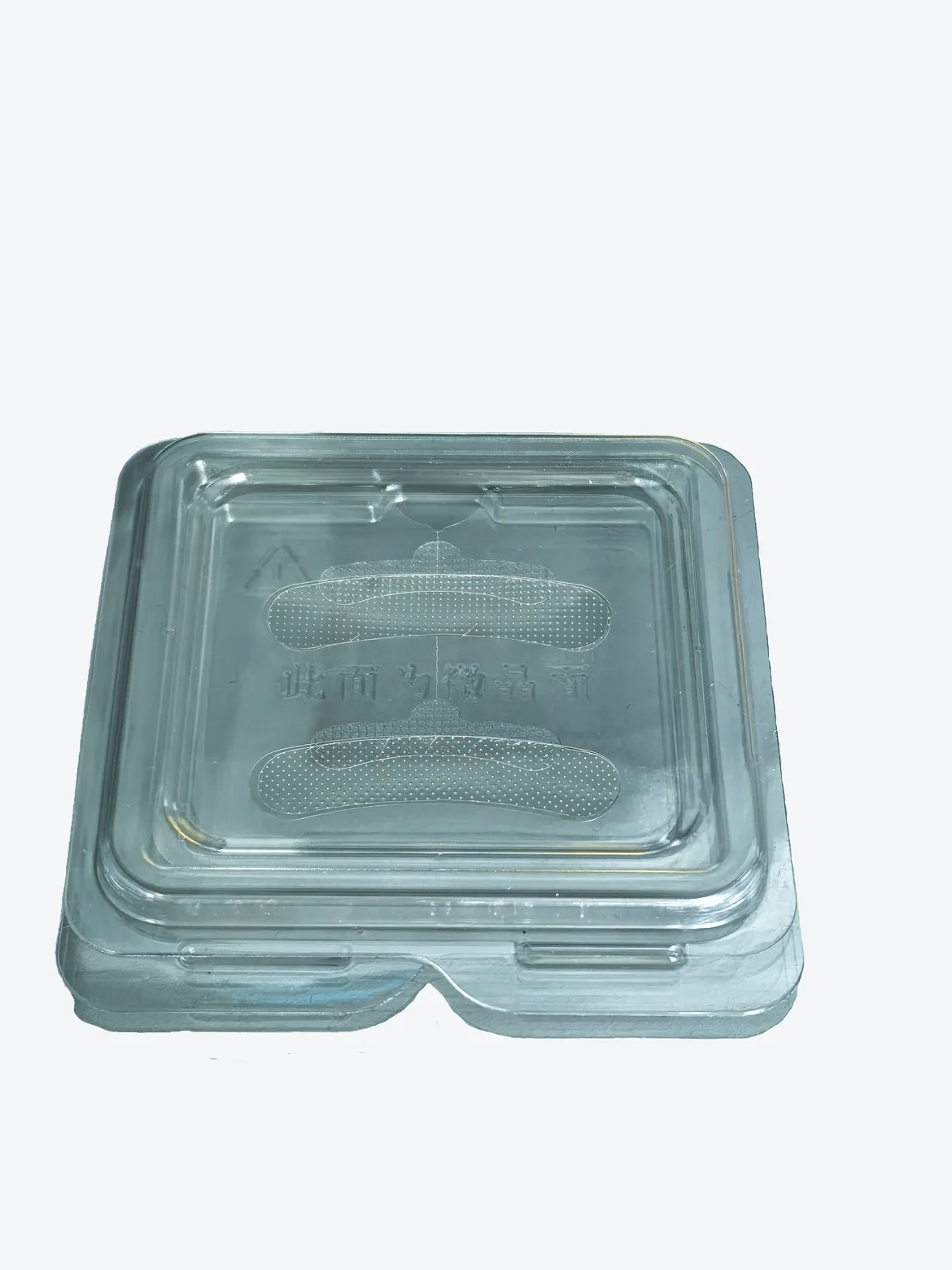
Protective Trays and Barrier Packs for Paired Eye Patches
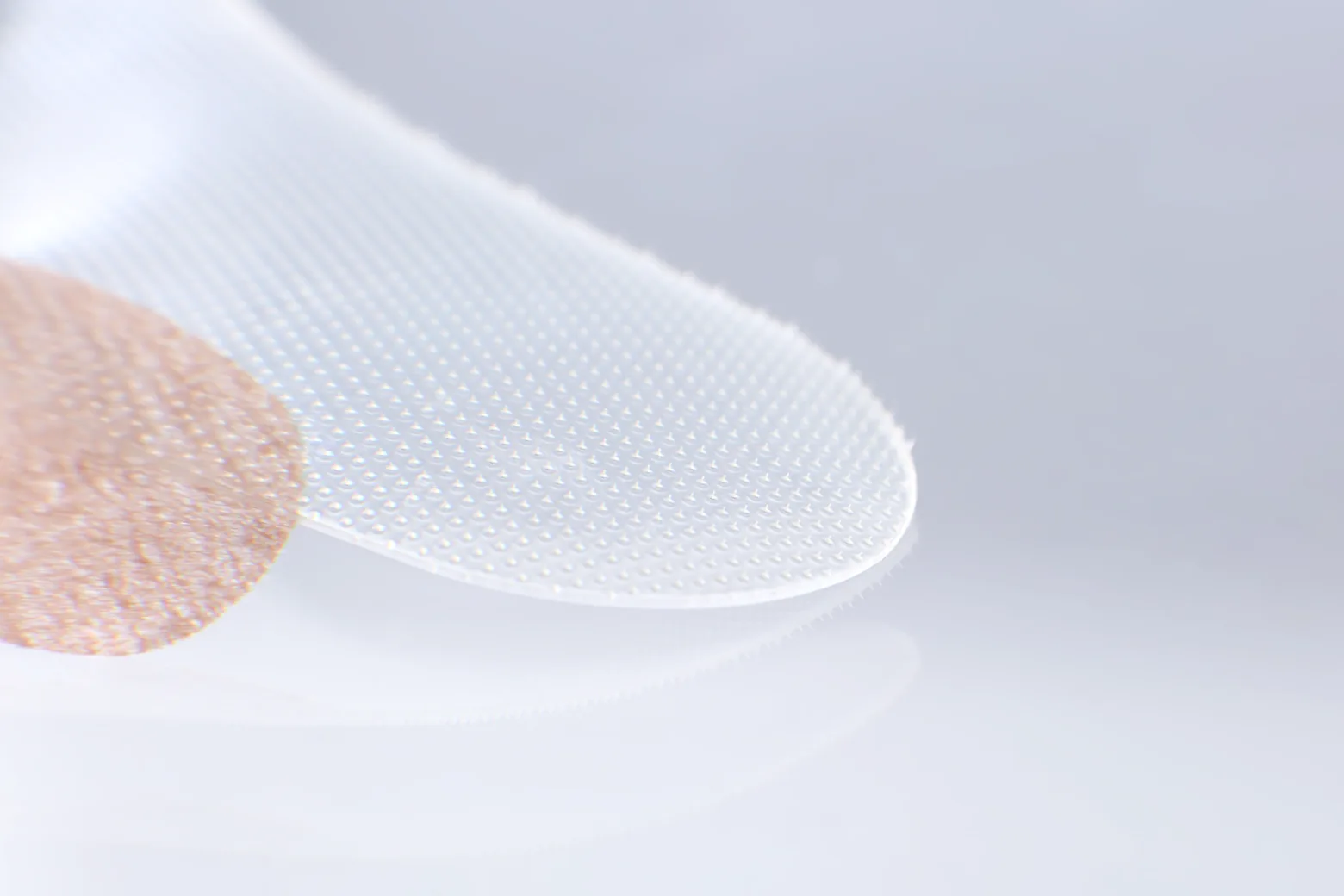
Backings and Release Liners for Eye Patches
Explore eye patch oem
View all topicsFormat selection
Eye Patch Shapes and Array Coverage. Review specifications, development questions and supporting documents before requesting a project review.
Private label
Private Label Eye Patch Development. Review specifications, development questions and supporting documents before requesting a project review.
Paired packaging
Paired Eye Patch Pouches and Protective Trays. Review specifications, development questions and supporting documents before requesting a project review.
Sample evidence
Quality Evidence for Microneedle Eye Patches. Review specifications, development questions and supporting documents before requesting a project review.
Guangzhou Celsentra Biotechnology Co., Ltd.
Under Eye Patch OEM is a business website of Guangzhou Celsentra Biotechnology Co., Ltd.
No. 76 Fucong Road, Conghua District, Guangzhou, Guangdong, China- Founded
- 2017
- Production workshop space
- 4,000+ m²
- Freeze dryers
- 12
Workshop area and equipment count are company-reported figures. Confirm the equipment and schedule for your specific project.
Review the pair as one cosmetic project
Keep the design, assembly and artwork decisions linked when comparing paired format samples.
Eye Patch Shapes and Array Coverage
Eye Patch Shapes and Array Coverage. Review specifications, development questions and supporting documents before requesting a project review.
Paired Eye Patch Pouches and Protective Trays
Paired Eye Patch Pouches and Protective Trays. Review specifications, development questions and supporting documents before requesting a project review.
How to Review Eye Patch Samples
How to Review Eye Patch Samples. Review specifications, development questions and supporting documents before requesting a project review.
Guides for project review
Explore the guide libraryProtective Trays and Barrier Packs for Paired Eye Patches
Explore microneedle eye patch protective packaging with a practical development framework, measurable specifications and evidence boundaries for B2B project planning.
Left and Right Eye Patch Pairing
Plan how mirrored eye patches stay paired from the approved drawing through the tray, pouch, and receiving inspection.
How to Qualify an Eye Patch OEM Supplier
Assess an eye patch OEM using sample ownership, quality documents, component accountability and change notification.
Eye Patch Carton Counts and Units of Measure
Connect the number on an eye patch carton to the actual pouch, pair, retail and shipper counts used by purchasing.
Using an Approved Eye Patch Reference Sample
Build an approved physical reference for eye patch appearance, pack configuration and revision control before commercial ordering.
Eye patch project review
What to evaluate
An eye patch project starts with the area that the finished patch must fit, the cosmetic appearance objective and the evidence a brand needs before launch. Ingredient names alone do not define a usable product. Compare the outline, needle-bearing region, backing and protective package together. A crescent presentation can contain very different array layouts, so drawings should identify which surfaces are intended to contact the skin and which support handling.
Planning the next decision
Use this site to prepare an eye-area development brief for Celsentra. Explore blank evaluation samples, ingredient feasibility, paired packaging and documentation topics before requesting a review. Distinguish an existing configuration from a custom shape requiring tooling. Explain the destination market, retail pack format and expected launch sequence. Our project discussion should establish the available scope and the information needed to progress; any sample specification, production quantity or performance claim must be confirmed for the actual project.
Build a useful project brief
A practical first discussion includes three separate decisions: what the brand wants the product to look like, what the technical team proposes to measure, and what the business can approve after receiving the results. Share packaging artwork if available, but avoid locking a carton size before the protective tray has been selected. Ask for sample identification and revision records so feedback refers to the same design. The most useful outcome is a written next step, with named responsibilities for formula review, geometry review and evidence generation.
An eye-patch project has three separate design surfaces
The visible crescent, the adhesive border and the needle-bearing zone do different jobs. The crescent establishes the overall footprint, while the border supports handling and retention. The array occupies only the area that has been deliberately specified for microstructures. A drawing that shows one outline without identifying these regions leaves the relationship between fit and construction unresolved. A broader outline does not automatically mean a larger functional array. During concept review, compare these surfaces on the same drawing and identify the side that faces the tray, the side facing the wearer and the edge used for lifting. These distinctions also make website product pictures easier for a buyer to interpret.
From a catalogue picture to a reviewable development route
Consider an illustrative brand request for a premium pair packaged in an individual pouch. The first decision is whether an existing contour can support the proposed presentation; the next is whether the selected matrix and backing remain compatible with that contour. A decorative outer carton can be changed relatively late, whereas moving the array or changing the backing can require new mechanical, handling and package checks. The project should therefore show separate decisions for physical format, formulation, primary protection and artwork. This staged explanation helps a brand understand why an attractive rendering alone cannot establish readiness. Approved samples can illustrate each decision stage. An available reference sample, a proposed adaptation and a stocked finished configuration have different statuses; confirm which status applies before using a sample to plan procurement.
Verify an official batch report
Search the Celsentra COA library by product or lot. Compare the report identifier with the physical pack and the material you requested.
Questions before you get started
Can I start with a blank eye patch?
Request a blank evaluation route and identify whether you are comparing shape, handling or a test method. Availability and its permitted evaluation scope need confirmation.
Does a crescent shape define the needle area?
No. The outer contour and the needle-bearing region should be separately shown on a dimensioned drawing.
Can I use research results in my advertising?
A paper on another product is background evidence. Your proposed claim needs review against the actual finished product and destination requirements.
Can the left and right patches differ?
Treat that as a design input. Confirm mirrored geometry, identification and the effects on tooling and packaging.
What should I send for a quote?
Send intended market, pack format, sample objective, approximate quantity and any agreed material or geometry constraints.
Is the pouch part of the technical project?
Yes. The primary package should be considered when evaluating protection, stability and the intended storage statement.
Are ingredient choices automatically approved?
No. Ingredient identity, matrix compatibility, finished-product suitability and claim wording are separate review questions.
Can I change artwork after samples?
Artwork revisions are possible topics for discussion, but ingredient, storage and instruction changes should be checked against the approved product file.
Does a larger eye-patch outline mean a larger needle area?
No. The outer contour, attachment border and needle-bearing region are separate design fields. Compare the approved drawing rather than the apparent size of a photograph.
Can a new tray be approved using an empty packaging mock-up?
An empty mock-up can support visual review, but fit and lifting access need representative assembled patches. It cannot establish protection of the actual array.
Is a handling assessment the same as a comfort study?
No. Handling work can reveal opening or support problems. A comfort claim requires an appropriate assessment of the selected finished construction and intended use.
Can one eye-patch shelf life apply to all pack sizes?
Not automatically. Changing the primary pack or the number of pieces exposed at opening can change the relevant conditions. The evidence must be reviewed for the selected arrangement.
Request an Eye Patch Project Review
Share the paired format, intended topical cosmetic positioning, target market, sample questions and your preferred protective pack.